Atelier — Complimentary worldwide shipping — Delivery 2–6 weeks

      A catalogue of Modern masters

      The 99 Greatest Modern Painters

      Among the Modern painters, Pablo Picasso (1881–1973) holds the first place, celebrated for The Old Guitarist and Guernica. Andy Warhol, Frida Kahlo, Salvador Dalí and Piet Mondrian follow. The catalogue spans 99 masters, from Maurice Denis (born 1870) to Anselm Kiefer (born 1945), across 26 countries.

      About this catalogue. This catalogue gathers the artists whose works our collection records as Modern, ordered by our fame ranking. Artists born after 1955 with no Wikidata record await verification. Beside each name, the number of our 32 languages in which Wikipedia devotes an article to the artist.

      1. The Old Guitarist by Pablo Picasso1Pablo Picasso
      2. Campbell's soup cans by Andy Warhol2Andy Warhol
      3. Frida Kahlo - `The Two Fridas` by Frida Kahlo3Frida Kahlo

      The collection in brief

      Modern: the collection in brief

      • 99Artists
      • 1870–1945Years of birth
      • 26Countries of birth
      • 17Women
      • 3Living artists
      • 29,146Works in our catalogue
      Cities with most births
      Paris (4), New York City (3), Dresden (2), Manhattan (2)

      Master by master

      The catalogue: 99 Modern Painters

      1of 99

      Pablo Picasso

      Spanish Born in Málaga Cubism, Surrealism Wikipedia, 32 of 32 languages

      Pablo Picasso

      In 1967, he gifted the city of Chicago an untitled monumental sculpture made of COR-TEN steel. This massive, fifty-foot structure, which he suggested represented the head of his Afghan Hound, Kabul, transformed the urban landscape of Daley Plaza. He lived through the most violent upheavals of his century, from the Spanish Civil War to the World Wars, and his ability to translate such chaos into a visual language ensured that his work remained a mirror to the human condition.

      On view at To walk through the halls of the Musée Picasso in Paris is to enter a sanctuary where the artist's restless spirit remains palpable.

      Principal works · The hundred celebrated works

      2of 99

      Andy Warhol

      American Born in Pittsburgh Pop Art Wikipedia, 32 of 32 languages

      Andy Warhol

      Warhol’s impact stems from his deliberate rejection of the traditional artist's hand. He frequently used a Polaroid Big Shot to capture his subjects, a practice that informed his visual language of immediacy and repetition. He did not merely observe the media age; he interrogated the very nature of what it means to be seen within it.

      On view at The Andy Warhol Museum in Pittsburgh holds the most significant concentration of his work, standing as the largest museum in the United States dedicated to a single artist.

      Principal works · The hundred celebrated works

      3of 99

      Frida Kahlo

      Mexican Born in Coyoacán Surrealism, Mexican folk art, Realism Wikipedia, 32 of 32 languages

      Frida Kahlo

      In 1929, Frida Kahlo marries the Mexican muralist Diego Rivera. Amidst this emotional turbulence, a personal transformation occurs; around 1935, she drops the "e" from her name, transitioning from Frieda to Frida. André Breton recognized her within the Surrealist movement, describing her art as a ribbon around a bomb.

      Principal works · The hundred celebrated works

      4of 99

      Salvador Dalí

      Spanish Born in Figueres Surrealism Wikipedia, 32 of 32 languages

      Salvador Dalí

      His early training was shaped by the textures of Impressionism and the precise draftsmanship of the Renaissance masters. By 1929, he had joined the Surrealist group, a move that signaled a shift toward the irrational.

      On view at To find his traces, one can travel to Figueres, Spain, where the Dalí Theatre-Museum sits.

      Principal works · The hundred celebrated works

      5of 99

      Piet Mondrian

      Born in Amersfoort Wikipedia, 32 of 32 languages

      Piet Mondrian

      The canvas becomes a site of absolute reduction. Composition with Red, Black, Blue, Yellow and Grey. Yves Saint Laurent translated the geometric principles of the movement into the Mondrian Collection.

      On view at The search for Mondrian’s visual logic leads to several key institutions across Europe and North America.

      Principal works · The hundred celebrated works

      6of 99

      Joan Miró

      Spanish Born in Barcelona ['Surrealism', 'Fauvism', 'Expressionism'] Wikipedia, 32 of 32 languages

      Joan Miró

      He views conventional painting as a tool for bourgeois society, an approach he seeks to dismantle through a restless, iconoclastic practice. This versatility allows him to escape the constraints of traditional representation. This was followed by the establishment of the Fundació Pilar i Joan Miró in Palma de Mallorca in 1981.

      On view at The most concentrated encounter with his creative output occurs on the Montjuïc hill in Barcelona, Spain.

      Principal works · The hundred celebrated works

      7of 99

      Marc Chagall

      Russian-French Born in Liozna Expressionism, Cubism, Fauvism, Surrealism Wikipedia, 32 of 32 languages

      Marc Chagall

      Chagall rejects the rigid rules of pictorial logic, choosing instead to compose images through poetic association. In works like The Lovers (1929), the sense of weightlessness and the use of intense color create a space where the physical laws of the world no longer apply. He shares this space with Amedeo Modigliani and Fernand Léger, figures who are redefining the boundaries of modern expression.

      On view at The legacy of his vision remains anchored in several key institutions across the globe.

      Principal works · The hundred celebrated works

      8of 99

      Marcel Duchamp

      French American Born in Blainville-Crevon ['Cubism', 'Dadaism', 'Conceptual Art'] Wikipedia, 31 of 32 languages

      Marcel Duchamp

      He found himself drawn to the ideas of Paul Cézanne, whose approach to form and structure left a mark on his developing vision. The year 1911 brought a significant shift as he became associated with a Cubist group. The ripples from his provocations reached far beyond the small circles of the avant-garde, eventually reshaping the very foundations of how we perceive creativity.

      On view at To follow the traces of his restless intellect, one might travel to the Philadelphia Museum of Art.

      Principal works · The hundred celebrated works

      9of 99

      Paul Klee

      German and Swiss Born in Münchenbuchsee Expressionism, Cubism, Surrealism Wikipedia, 31 of 32 languages

      Paul Klee

      His approach to a canvas was rarely about simple imitation; instead, he built his compositions through a highly individual style influenced by expressionism, cubism, and surrealism. He was also a prolific printmaker, utilizing zinc-plate etchings and lithographs to expand his visual language.

      On view at To find the traces of his prolific output, one might travel to Bern, Switzerland.

      Principal works · The hundred celebrated works

      10of 99

      Jackson Pollock

      American Born in Cody Abstract Expressionism Wikipedia, 31 of 32 languages

      Jackson Pollock

      By 1947, a profound shift had taken hold in the way he approached the canvas. This change allowed him to stand over his work, becoming part of the creative act itself. His presence helped solidify New York City's position as a global center for modern art, moving the heart of the avant-garde away from European dominance.

      On view at In New York City, the Museum of Modern Art holds several of his canvases, allowing viewers to stand before the sprawling, uncentered compositions that defined his era.

      Principal works · The hundred celebrated works

      11of 99

      Kazimir Malevich

      Born in Kyiv Wikipedia, 31 of 32 languages

      Kazimir Malevich

      He was a frequent participant in the era's defining exhibitions, including the second exhibition of the Soyuz Molodyozhi group in St. By 1912, his presence in the art scene was firmly established through his involvement with the Donkey's Tail collective in Moscow. The principles of geometric precision and the pursuit of the essential found echoes in the work of Josef Albers and Ad Reinhardt.

      On view at The physical presence of his radical geometry can be found in several major institutions across the globe.

      Principal works · The hundred celebrated works

      12of 99

      Amedeo Modigliani

      Italian Born in Livorno Expressionism Wikipedia, 32 of 32 languages

      Amedeo Modigliani

      In 1907, he met the German Expressionist painter Ludwig Meidner, and his social circle continued to expand through encounters with the writer Blaise Cendrars and the critic Adolphe Basler. He became close friends with the Romanian sculptor Constantin Brâncuși, a relationship that would influence his own approach to form.

      On view at In the United States, the Metropolitan Museum of Art in New York holds significant pieces, including a portrait of Jeanne Hebuterne from 1918.

      Principal works · The hundred celebrated works

      13of 99

      Georges Braque

      French Born in Argenteuil ['Fauvism', 'Cubism', 'Analytical Cubism', 'Synthetic Cubism'] Wikipedia, 31 of 32 languages

      Georges Braque

      Braque’s approach to the canvas was defined by a restless curiosity regarding the physical properties of his materials. By incorporating real-world materials such as newspaper clippings, wallpaper, and fabric, he disrupted the singular perspective of the picture plane. The early years of Braque's career were shaped by the lingering shadows of Impressionism and Post-Impressionism.

      Principal works · The hundred celebrated works

      14of 99

      René Magritte

      Belgian Born in Lessines Surrealism Wikipedia, 32 of 32 languages

      René Magritte

      Upon returning to his studies, he began to move away from the soft edges of Impressionism, experimenting instead with the fractured planes of Cubism and the dynamic energy of Futurism. The 1914 painting The Song of Love left a lasting impression on him, introducing a sense of dreamlike tension that resonated deeply.

      On view at The preservation of his visual puzzles is distributed across several major institutions, ensuring his presence remains felt in both Europe and the Americas.

      Principal works · The hundred celebrated works

      15of 99

      David Hockney

      British Born in Bradford Wikipedia, 23 of 32 languages

      David Hockney

      His formal training began at the Bradford School of Art from 1953 to 1957, where he focused on drawing from life and portraiture. He later moved to London to study at the Royal College of Art, graduating in 1962 with a Gold Medal distinction.

      Principal works · The hundred celebrated works

      16of 99

      Egon Schiele

      Austrian Born in Tulln an der Donau Austrian Expressionism Wikipedia, 32 of 32 languages

      Egon Schiele

      He moves through the city's artistic circles, eventually meeting Gustav Klimt. By 1909, he is actively challenging the established order, co-founding the Neues Wiener Kunstgruppe and the Neukunstgruppe. His departure from the decorative gold of the Secession movement toward a more visceral, psychological exploration of the human form changed the trajectory of figurative painting.

      On view at The weight of Schiele’s output is felt most heavily in Vienna.

      Principal works · The hundred celebrated works

      17of 99

      Max Ernst

      German Born in Brühl ['Dada', 'Surrealism'] Wikipedia, 30 of 32 languages

      Max Ernst

      While at the University of Bonn, he did not focus solely on the brush and canvas. In 1911, he became part of the Die Rheinischen Expressionisten group. Seeing the works of Pablo Picasso, Vincent van Gogh, and Paul Gauguin changed his perspective.

      On view at Finding the traces of Max Ernst's restless imagination requires a trip through several major cultural hubs.

      Principal works · The hundred celebrated works

      18of 99

      Francis Bacon

      Irish Born in Dublin Expressionism, Cubism, Surrealism Wikipedia, 30 of 32 languages

      Francis Bacon

      He worked with oils and large brushes, applying paint in a way that felt heavy and immediate. Three Studies for Figures at the Base of a Crucifixion (1944).

      Principal works · The hundred celebrated works

      19of 99

      Gerhard Richter

      German Born in Dresden Wikipedia, 28 of 32 languages

      Gerhard Richter

      After dropping out of school at age fifteen, Richter enters the industrial landscape of post-war Germany. In 1951, he begins formal studies at the Dresden Academy of Fine Arts. In 1972, he represented West Germany at the Venice Biennale, a moment that solidified his standing on the international stage.

      On view at The physical presence of Richter’s practice spans major institutional collections across Europe.

      Principal works · The hundred celebrated works

      20of 99

      Willem de Kooning

      Dutch-American Born in Rotterdam Abstract Expressionism Wikipedia, 30 of 32 languages

      Willem de Kooning

      From his teenage years until 1924, he attends these classes in Rotterdam, balancing the demands of work with the study of formal art. This period of focused training provides the essential tools for the radical shifts that await him across the Atlantic. He moves through a landscape of ideas, absorbing the influence of Stuart Davis and John Graham, whose presence helps steer his vocabulary away from literal depiction.

      Master of Robert Rauschenberg #57

      Principal works · The hundred celebrated works

      21of 99

      Jasper Johns

      American Born in Augusta Wikipedia, 24 of 32 languages

      Jasper Johns

      This method allows for a physical depth that sits on the canvas, sometimes incorporating collage and newsprint directly into the wax. These layers do not suggest a quick, spontaneous gesture. Later, in 2011, he received the Presidential Medal of Freedom.

      On view at To see his paintings and sculptures in person, one might travel to New York City.

      Principal works · The hundred celebrated works

      22of 99

      Roy Lichtenstein

      American Born in Manhattan Pop Art Wikipedia, 28 of 32 languages

      Roy Lichtenstein

      Lichtenstein strips away the visible brushstroke, replacing the artist's hand with the cold, calculated language of mass production. Texture is achieved through a deliberate, systematic application of Ben-Day dots. He did not merely participate in the Pop Art movement; he helped originate it, establishing a visual vocabulary that remains a primary reference point for how we consume images in a media-saturated age.

      Principal works · The hundred celebrated works

      23of 99

      Georgia O'Keeffe

      American Born in Sun Prairie American modernism Wikipedia, 31 of 32 languages

      Georgia O'Keeffe

      Georgia O'Keeffe was born on November 15, 1887, in a farmhouse near Sun Prairie, Wisconsin. Between 1905 and 1906, she attended the School of the Art Institute of Chicago. His methods moved her away from the constraints of strict realism.

      On view at To see her paintings in person, one can travel to Santa Fe, New Mexico, where The Georgia O'Keeffe Museum holds a significant portion of her output.

      Principal works · The hundred celebrated works

      24of 99

      Mark Rothko

      American Born in Daugavpils ['Color Field painting', 'Abstract Expressionism']

      Mark Rothko

      After time spent at Yale University, the pull of the city led him away from formal academics. By 1940, he made the decision to change his name to Mark Rothko. His paintings are recognized as some of the most significant works of 20th-century art, often found in the permanent collections of major institutions like the Museum of Modern Art in New York and the Tate Modern in London.

      On view at To stand before his canvases is to experience the weight of color in a quiet room.

      Principal works · The hundred celebrated works

      26of 99

      Franz Marc

      German Born in Kreuzstraße German Expressionism Wikipedia, 31 of 32 languages

      Franz Marc

      It was in Paris that he encountered the work of Vincent van Gogh. Robert Delaunay’s exploration of abstract forms and intense color palettes provided a blueprint for Marc’s own movement toward simplification. His time in France, specifically during visits to Paris in 1903 and 1907, acted as a catalyst for this departure.

      On view at The Franz Marc Museum in Kochel am See, Germany, functions as a primary site for his legacy, housing over 150 of his works.

      Principal works · The hundred celebrated works

      27of 99

      Diego Rivera

      Mexican Born in Guanajuato Mexican Muralism, Social Realism Wikipedia, 31 of 32 languages

      Diego Rivera

      Diego Rivera emerged from a family of modest means in Guanajuato, Mexico, born on December 8, 1886. His early environment was marked by a significant loss when his twin brother, Carlos, died at the age of two. Rivera remains a central figure in the history of post-revolutionary Mexico.

      On view at Here, the Detroit Industry Murals occupy a central place, capturing the mechanical pulse of labor and the grit of the industrial era.

      Principal works · The hundred celebrated works

      28of 99

      Fernand Léger

      French Born in Argentan ['Cubism', 'Tubism', "Section d'Or", 'Purism', 'Dadaism', 'Constructivism'] Wikipedia, 27 of 32 languages

      Fernand Léger

      His brush moved with a rhythmic, almost industrial precision, seeking to capture the pulse of a changing era. He moved away from the soft, blended shadows of the past, choosing instead to build his compositions through a language of robust, geometric strength. Alongside Jean Metzinger and Henri Le Fauconnier, he explored the mathematical and structural possibilities of this new language.

      On view at To encounter the physical presence of his vision, one might travel to the south of France, specifically to Biot in the Alpes-Maritimes.

      Principal works · The hundred celebrated works

      29of 99

      Giorgio de Chirico

      Italian Born in Volos Metaphysical art Wikipedia, 29 of 32 languages

      Giorgio de Chirico

      De Chirico’s approach to painting was a way of looking past the surface of the everyday to find a hidden, unsettling poetry. His metaphysical works often feel suspended in time, characterized by an eerie stillness that makes the viewer feel as though they have stepped into a quiet, lonely dream. Artists like René Magritte and Salvador Dalí found deep inspiration in his metaphysical paintings, drawing on his ability to create tension through unexpected juxtapositions and distorted perspectives.

      Principal works · The hundred celebrated works

      30of 99

      Umberto Boccioni

      Born in Reggio Calabria Wikipedia, 28 of 32 languages

      Umberto Boccioni

      His move to Rome in 1899 marked a significant shift toward formal academic training. By attending the Scuola Libera del Nudo and the Accademia di Belle Arti di Roma, Boccioni moved beyond the private studio setting into the heart of Italian artistic institutions. The fragmentation of form and the emphasis on dynamism helped shape the foundations of Constructivism and later informed the developments of Abstract Expressionism.

      Principal works · The hundred celebrated works

      31of 99

      Oskar Kokoschka

      Austrian, Czech, British Born in Pöchlarn Expressionism, Viennese Avant-Garde Wikipedia, 29 of 32 languages

      Oskar Kokoschka

      Kokoschka’s approach to the canvas was far from the polished, academic methods taught in traditional schools. His work often felt restless, as if the paint itself were struggling to settle. In 1909, he wrote the short play Murderer, the Hope of Women, which is often recognized as one of the first Expressionist dramas.

      Principal works · The hundred celebrated works

      33of 99

      Ernst Ludwig Kirchner

      German Born in Aschaffenburg German Expressionism Wikipedia, 32 of 32 languages

      Ernst Ludwig Kirchner

      Ernst Ludwig Kirchner was born on 6 May 1880 in Aschaffenburg, Germany. After obtaining his school-leaving certificate in 1901, he enrolled at the university in Dresden to study architecture. Kirchner remains a central figure of the German Expressionist movement, a presence that helped define the visual language of a transformative era.

      On view at The physical presence of Kirchner’s vision is scattered across several major institutions, reflecting the international reach of his influence.

      Principal works · The hundred celebrated works

      34of 99

      Juan Gris

      Spanish Born in Madrid Cubism, Synthetic Cubism, Analytical Cubism Wikipedia, 31 of 32 languages

      Juan Gris

      There is a certain mathematical logic to how he builds a canvas. In many of his works, he moves away from the chaotic, shattering abstraction seen in earlier Cubism, opting instead for a more organized and legible structure. He was one of the three leading figures of Cubism, working in the same orbit as Pablo Picasso and Georges Braque.

      On view at Tracing the physical presence of his work requires a trip through several major collections.

      Principal works · The hundred celebrated works

      35of 99

      Arshile Gorky

      Armenian-American Born in Dilkaya Abstract Expressionism, Surrealism Wikipedia, 24 of 32 languages

      Arshile Gorky

      Seeking a different path, he enrolled in classes at the New England School of Art. One such early work, a self-portrait from about 1923–24, uses gestural marks to define the features of the face, focusing on the bridge of the nose and the weight of a collar. He acted as a bridge, connecting the Surrealist painters of Europe to the emerging American movement.

      On view at To see the physical traces of his hand, one might travel to Washington, D.C.

      Principal works · The hundred celebrated works

      36of 99

      Jean Dubuffet

      French Born in Le Havre Art Brut Wikipedia, 23 of 32 languages

      Jean Dubuffet

      During the 1940s and 1950s, his work took on a heavy, tactile presence. The Hourloupe cycle is characterized by flat, interlocking forms that appear to weave through one another. By championing the concept of Art Brut, he redirected the gaze of the art world toward the unrefined expressions of children, prisoners, and the mentally ill.

      Principal works · The hundred celebrated works

      37of 99

      André Derain

      French Born in Chatou ['Fauvism', 'New Classicism'] Wikipedia, 28 of 32 languages

      André Derain

      In March 1906, the art dealer Ambroise Vollard saw a new direction for the artist and sent him to London. Derain arrived in the English capital and began to see the urban landscape through a lens of intense color, moving away from the quietude of the French countryside. His restless search for a new visual language meant that the lessons learned in the sun-drenched landscapes of Collioure eventually traveled north, influencing the development of German Expressionism.

      Principal works · The hundred celebrated works

      38of 99

      Robert Delaunay

      French Born in Paris Orphism, Cubism Wikipedia, 27 of 32 languages

      Robert Delaunay

      He initially engaged with Neo-Impressionism, or Divisionism, absorbing its principles of applying small, distinct dots of color to create a shimmering effect. A crucial friendship with Jean Metzinger proved formative during this period, as they explored the possibilities of fragmented forms and mosaic-like compositions. This belief informed his series of paintings depicting the Eiffel Tower, where he deconstructed the iconic structure into a network of intersecting planes and vibrant hues.

      Master of Lyonel Feininger #87

      Principal works · The hundred celebrated works

      39of 99

      Fernando Botero

      Colombian Born in Medellín Boterismo Wikipedia, 28 of 32 languages

      Fernando Botero

      In 1952, Botero used the money earned from his gallery sales to sail toward Europe. He spent time in the Prado Museum, where he would sit and copy the works of Goya and Velázquez. In New York City, his sculptures occupy spaces like Park Avenue, where the heavy, rounded forms exist alongside the city's architecture.

      On view at His presence is felt in the quiet corners of Bogotá, specifically within the La Candelaria neighborhood.

      Principal works · The hundred celebrated works

      40of 99

      Otto Dix

      German Born in Untermhaus ['Neue Sachlichkeit', 'Dadaism', 'Expressionism'] Wikipedia, 28 of 32 languages

      Otto Dix

      The environment shaping Otto Dix is one of stark industrial labor and quiet, poetic undertones. The path toward professional training begins in 1906. Otto Dix remains a central figure in 20th-century German painting.

      On view at The physical presence of Dix’s vision remains scattered across major international institutions.

      Principal works · The hundred celebrated works

      41of 99

      Tamara de Lempicka

      Polish Born in Warsaw Art Deco, Cubism Wikipedia, 30 of 32 languages

      Tamara de Lempicka

      In her Self-Portrait in the Green Bugatti, she presented herself as a figure of independence and speed, a woman fully in command of the technological marvels of her time. She moved through the high-society circles of Paris and later the celebrity landscapes of the United States, always maintaining a sense of controlled, architectural grace. She remained a figure of fierce independence until the end, choosing to have her ashes scattered over the Popocatépetl volcano after her death in Mexico City.

      Pupil of Maurice Denis #73

      Principal works · The hundred celebrated works

      42of 99

      Maurice de Vlaminck

      French Born in Paris Fauvism, Post-Impressionism Wikipedia, 26 of 32 languages

      Maurice de Vlaminck

      Vlaminck is considered a key figure in the Fauve movement (1904-1908), characterized by its intense use of color and simplified forms. His style is marked by: Bold Color Choices: Vlaminck used vibrant, non-naturalistic colors to express emotion rather than represent reality accurately. Paul Cézanne: From 1908 onwards, Vlaminck’s palette shifted towards more monochromatic tones, influenced by the work of Paul Cézanne.

      Principal works · The hundred celebrated works

      43of 99

      Chaim Soutine

      French Born in Smilavičy Expressionism Wikipedia, 26 of 32 languages

      Chaim Soutine

      While often categorized as an Expressionist, to label Soutine solely within this framework feels limiting. His style was profoundly individual, a compelling synthesis of traditional European painting —particularly the Dutch Masters like Rembrandt and Chardin, and the Realism of Courbet—filtered through a lens of raw emotional intensity.

      Principal works · The hundred celebrated works

      44of 99

      Max Beckmann

      German Born in Leipzig Expressionism, New Objectivity Wikipedia, 27 of 32 languages

      Max Beckmann

      By 1912, he was already tackling ambitious subjects that required a command of large-scale composition. One such work was his painting of The Sinking of the Titanic, a piece that demonstrated his ability to handle complex, dramatic narratives. Even as he navigated the difficult years of exile in Amsterdam and his eventual move to the United States, his voice remained distinct.

      On view at Finding the physical traces of Beckmann's life requires traveling through the cities that shaped his exile and his later years.

      Principal works · The hundred celebrated works

      45of 99

      Norman Rockwell

      American Born in New York City Wikipedia, 27 of 32 languages

      Norman Rockwell

      Over those decades, he contributed more than 300 covers, becoming a constant presence in American households. This commitment began early in his professional life; by the age of nineteen, he had already secured the position of art editor for the Boy's Life publication. His ability to mirror the American experience granted his work a broad popular appeal across the United States, creating a shared visual language for a changing nation.

      Principal works · The hundred celebrated works

      46of 99

      Raoul Dufy

      French Born in Le Havre Fauvism Wikipedia, 27 of 32 languages

      Raoul Dufy

      It was a method perfectly suited to capturing the energy of modern life – yachting regattas, bustling city scenes, elegant social gatherings on the French Riviera. His work can be found in prestigious collections worldwide, including the Museum Royal Collection in the United Kingdom, a testament to his enduring artistic significance.

      Principal works · The hundred celebrated works

      47of 99

      Victor Vasarely

      Hungarian-French Born in Pécs Op Art, Kinetic Art, Geometric Abstraction Wikipedia, 27 of 32 languages

      Victor Vasarely

      Vasarely’s approach relies on a systematic use of geometry to trigger a physical response in the viewer. Instead, he used a sophisticated interplay of high-contrast pigments to simulate depth and movement. In 1982, his work traveled into space when serigraphs were included aboard the French-Soviet spacecraft Salyut 7.

      On view at Tracing the physical presence of his work requires traveling across several locations in France and Hungary.

      Principal works · The hundred celebrated works

      48of 99

      Friedensreich Hundertwasser

      Austrian Born in Vienna Organic architecture, Spiral art Wikipedia, 29 of 32 languages

      Friedensreich Hundertwasser

      Difficult Beginnings: Hundertwasser’s early life was marked by hardship, particularly during the Nazi era. The Spiral Motif: The spiral became a central motif in Hundertwasser’s work, symbolizing growth, harmony, and the cyclical nature of life – a direct contrast to the rigid geometry he despised. Advocacy for Constitutional Monarchy: Hundertwasser also expressed strong political views, advocating for a constitutional monarchy in Austria and criticizing the European Union's perceived disregard for regional peculiarities.

      Principal works · The hundred celebrated works

      49of 99

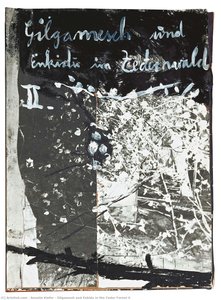
      Anselm Kiefer

      German Born in Donaueschingen Neo-Expressionism Wikipedia, 23 of 32 languages

      Anselm Kiefer

      Whether he is depicting the brooding shadows of Roman emperors or the desolate landscapes of post-war Europe, his work remains a continuous dialogue with the concept of time itself.

      Pupil of Joseph Beuys #60

      Principal works · The hundred celebrated works

      50of 99

      Niki de Saint Phalle

      French-American Born in Neuilly-sur-Seine Nouveau Réalisme, Surrealism Wikipedia, 26 of 32 languages

      Niki de Saint Phalle

      The early years of her existence were characterized by a shifting landscape; the financial stability of her family crumbled under the weight of the Great Depression, an experience that undoubtedly instilled within her a sense of instability and perhaps, a rebellious streak. Niki de Saint Phalle passed away on May 21, 2002, leaving behind a rich artistic legacy that continues to inspire artists and captivate viewers with its originality, passion, and unwavering commitment to self-expression.

      Principal works · The hundred celebrated works

      51of 99

      H.R. Giger

      Swiss Born in Chur Biomechanical Surrealism Wikipedia, 24 of 32 languages

      H.R. Giger

      At the heart of Giger’s art lies a complex and unsettling vision—a world where humanity has merged with machinery. He often depicted figures caught in states of metamorphosis, suggesting a constant process of becoming and decay. Perhaps Giger’s most iconic creation is, of course, the Xenomorph from Alien.

      Principal works · The hundred celebrated works

      52of 99

      Louise Bourgeois

      French-American Born in 6th arrondissement of Paris Abstract Expressionism, Surrealism Wikipedia, 27 of 32 languages

      Louise Bourgeois

      Immersed in the vibrant art scene of post-war America, she became associated with the Abstract Expressionist movement, yet always maintained a distinct and intensely personal voice. While sharing their emphasis on emotional intensity, Bourgeois diverged from pure abstraction, infusing her work with symbolic imagery and autobiographical references. As both a French and American artist, her contributions enrich the artistic traditions of both nations.

      Principal works · The hundred celebrated works

      53of 99

      Zdzisław Beksiński

      Polish Born in Sanok Surrealism Wikipedia, 25 of 32 languages

      Zdzisław Beksiński

      To step into the canvas of Zdzisław Beksiński is to wander through a landscape where the boundaries between dreams and nightmares dissolve into a singular, haunting reality. The evolution of Beksiński’s artistry was deeply rooted in his early fascination with photography and the structural complexities of architecture. The historical significance of Zdzisław Beksiński lies in his ability to communicate universal fears without relying on the tropes of traditional horror.

      Principal works · The hundred celebrated works

      54of 99

      Lucian Freud

      British Born in Berlin Realism, Figurative art Wikipedia, 23 of 32 languages

      Lucian Freud

      Freud’s technical approach was integral to the emotional impact of his paintings. He favored large hogs-hair brushes, applying paint with a physicality mirroring the subject matter itself. Lucian Freud’s 60-year career left an indelible mark on British portraiture, challenging conventional notions of beauty and representation.

      Principal works · The hundred celebrated works

      55of 99

      Henry Moore

      British Born in Castleford Modernism, Abstract sculpture Wikipedia, 29 of 32 languages

      Henry Moore

      Moore’s artistic education began at Castleford Secondary School, where his art teacher recognized and nurtured his talent. However, Moore wasn't simply a follower of trends; he synthesized these influences into something uniquely his own. A pivotal moment came during a visit to Mexico in 1925, where he encountered pre-Columbian sculptures – particularly those of the Aztec civilization.

      Principal works · The hundred celebrated works

      58of 99

      Balthus

      French-Polish Born in Paris Classical, Figurative Wikipedia, 20 of 32 languages

      Balthus

      His father, Erich Klossowski, was a respected art historian, while his mother, Baladine Klossowska, was a painter herself, fostering an environment where aesthetic contemplation was not merely encouraged but lived. This upbringing instilled in the young Balthus a deep reverence for the Old Masters and a skepticism towards the burgeoning avant-garde movements that dominated the Parisian scene. His influence can be seen in the work of numerous contemporary artists, including Jan Saudek, Will Barnet, Duane Michals, and John Currin, who share his interest in figurative painting, psychological realism, and the exploration of complex emotional states.

      Principal works · The hundred celebrated works

      59of 99

      Alberto Giacometti

      Swiss Born in Borgonovo Surrealism, Existentialism

      Alberto Giacometti

      The early years were marked by an exploration of Cubism, dismantling and reassembling forms in a manner reflective of the era’s intellectual ferment. This period saw him gravitating toward Surrealism, creating works imbued with dreamlike imagery and psychological depth, associating with luminaries like Miró, Ernst, and Picasso. His unfinished commission for the Chase Manhattan Bank Building in New York – Grande Femme Debout I–IV – stands as a testament to his dissatisfaction with the relationship between art and its environment, highlighting his uncompromising artistic integrity.

      Principal works · The hundred celebrated works

      60of 99

      Joseph Beuys

      German Born in Krefeld Fluxus, Performance Art Wikipedia, 28 of 32 languages

      Joseph Beuys

      His work expanded the definition of art beyond aesthetic concerns to encompass political, environmental, and spiritual dimensions.

      Master of Anselm Kiefer #49

      Principal works · The hundred celebrated works

      61of 99

      George Grosz

      German Born in Berlin Berlin Dada, New Objectivity Wikipedia, 28 of 32 languages

      George Grosz

      The boy who would eventually dissect the soul of Berlin first learned the weight of loss in the Pomeranian town of Stolp, in the Free State of Prussia. His childhood was shaped by the quietude of this region until the year 1900, when his father’s death uprooted the family.

      Principal works · The hundred celebrated works

      62of 99

      Jean Arp

      German-French Born in Strasbourg Dada, Surrealism Wikipedia, 29 of 32 languages

      Jean Arp

      As Dada began to dissipate, Arp’s artistic trajectory led him towards Surrealism. However, Arp didn't simply adopt Surrealism wholesale; he infused it with his own unique sensibility. Notable works like Trousse d'un dada, the Dada Heads series, Human Concretion without Oval Bowl, Le Soleil recerclé, and The Three Graces continue to captivate audiences with their elegant simplicity and profound symbolism.

      Principal works · The hundred celebrated works

      63of 99

      Francis Picabia

      French Born in Paris Cubism, Dada, Surrealism Wikipedia, 26 of 32 languages

      Francis Picabia

      His relentless experimentation, his rejection of convention, and his willingness to embrace contradiction paved the way for generations of artists who followed. He challenged the very definition of what constituted “art,” forcing viewers to question their own assumptions and preconceptions. His work anticipated many of the key developments in 20th-century art, from Pop Art to Conceptualism.

      Principal works · The hundred celebrated works

      64of 99

      Claes Oldenburg

      Swedish-American Born in Malmö Pop Art Wikipedia, 25 of 32 languages

      Claes Oldenburg

      To encounter the work of Claes Oldenburg is to witness a delightful subversion of reality, where the mundane is elevated to the monumental and the familiar becomes strangely surreal. Public Engagement: His massive outdoor installations, such as the celebrated Spoonbridge & Cherry, democratized art by bringing it out of museums and into the daily paths of millions.

      Principal works · The hundred celebrated works

      65of 99

      Remedios Varo

      Spanish-Mexican Born in Anglès Para-Surrealism Wikipedia, 19 of 32 languages

      Remedios Varo

      In the quiet corners of her studio, Remedios Varo worked with a meticulousness that mirrored the technical drawings of her father, a hydraulic engineer. Her upbringing in Anglès, Spain, provided a foundation of duality. She moved through the world with a curious eye, absorbing the landscapes of her frequent relocations and the formal training she received at the Real Academia de Bellas Artes de San Fernando in Madrid.

      Principal works · The hundred celebrated works

      66of 99

      Theo van Doesburg

      Dutch Born in Utrecht De Stijl, Neoplasticism Wikipedia, 27 of 32 languages

      Theo van Doesburg

      While celebrated as a painter, van Doesburg’s artistic pursuits were remarkably diverse. A prime example is his collaboration with Sophie Taeuber-Arp and Georges Vantongerloo on designing artist residences, showcasing a holistic approach to artistic creation – an attempt to build a world in the image of his ideals. His vision of a unified, harmonious world – expressed through the language of De Stijl – continues to inspire those who seek to create a more beautiful and meaningful environment.

      Principal works · The hundred celebrated works

      67of 99

      Andrew Wyeth

      American Born in Chadds Ford Township Regionalism, Realism Wikipedia, 23 of 32 languages

      Andrew Wyeth

      Regionalism: Wyeth is often associated with the American Regionalist movement, which emphasized depictions of rural America during the 1930s. Egg Tempera and Watercolor: Wyeth primarily used egg tempera for his larger works, a medium known for its luminosity and detail. Birth and Background: Andrew Newell Wyeth was born on July 12, 1917, in Chadds Ford, Pennsylvania, to illustrator N.C.

      Principal works · The hundred celebrated works

      68of 99

      Vladimir Tatlin

      Ukrainian/Russian Born in Moscow Constructivism Wikipedia, 26 of 32 languages

      Vladimir Tatlin

      His journey began not within the hallowed halls of artistic academies – though he would later attend the Moscow School of Painting, Sculpture, and Architecture – but with the practical grounding of his father’s profession as a railway engineer and the literary inclinations of his mother. Tatlin’s impact extended far beyond his unrealized architectural masterpiece.

      Principal works · The hundred celebrated works

      70of 99

      László Moholy-Nagy

      Hungarian Born in Bácsborsód Constructivism, Bauhaus Wikipedia, 29 of 32 languages

      László Moholy-Nagy

      Shifting the Bauhaus Direction: His arrival marked a shift away from Expressionism towards a more Constructivist and design-oriented approach, aligning with the school’s original aims. "New Vision" (Neues Sehen): Moholy-Nagy is most famously known for coining the term "New Vision," which championed the camera's ability to reveal aspects of reality invisible to the human eye. Education and War Service: He initially studied law in Budapest before serving in World War I, sustaining a serious injury.

      Principal works · The hundred celebrated works

      71of 99

      Aubrey Beardsley

      British Born in Brighton Art Nouveau, Decadent art Wikipedia, 27 of 32 languages

      Aubrey Beardsley

      beardsley's black ink drawings were influenced by japanese woodcuts, depicting the grotesque, the decadent, and the erotic. his work is characterized by elaborate composition, refined lines, and exploration of themes such as sexual identity. beardsley's contribution to the development of art nouveau was significant, despite his tragically short life.

      Principal works · The hundred celebrated works

      73of 99

      Maurice Denis

      French Born in Granville Nabis, Symbolism Wikipedia, 26 of 32 languages

      Maurice Denis

      Throughout his career, Denis’s style underwent a fascinating evolution. While remaining committed to the principles of symbolism and spiritual expression, he experimented with various techniques and influences. He was also a prolific writer and art critic, articulating his aesthetic theories in numerous essays and articles.

      Master of Tamara de Lempicka #41

      Principal works · The hundred celebrated works

      74of 99

      Frank Stella

      American Born in Malden ['Minimalism', 'Post-Painterly Abstraction'] Wikipedia, 22 of 32 languages

      Frank Stella

      These influences, coupled with studies in history at Princeton University and frequent trips to New York City galleries, laid the groundwork for a radical departure from the prevailing Abstract Expressionism of the time. His commission for the BMW Art Car Project in 1976 showcased his ability to adapt his distinctive drawing style to an unconventional canvas: a 3.0 CSL racing car.

      Principal works · The hundred celebrated works

      75of 99

      Leonora Carrington

      British-Mexican Born in Clayton-le-Woods Surrealism Wikipedia, 22 of 32 languages

      Leonora Carrington

      Leonora Carrington’s art is a captivating tapestry woven with threads of mythology, folklore, alchemy, Kabbalah, and deeply personal symbolism. Arca de Noé (1967), a vibrant depiction of Noah’s Ark teeming with fantastical creatures, exemplifies her exploration of creation and renewal. In Mexico City, Carrington found not only artistic freedom but also intellectual kinship.

      Principal works · The hundred celebrated works

      76of 99

      Maria Prymachenko

      Ukrainian Born in Bolotnia Naive art, Folk art Wikipedia, 26 of 32 languages

      Maria Prymachenko

      Primachenko’s art is often described as “naive,” a term that can be deceptively limiting. It was here that she began to translate the motifs and techniques of embroidery into paintings—large-scale canvases teeming with fantastical creatures, vibrant flowers, and scenes of everyday life reimagined through a uniquely personal lens. The recent attacks on Ivankiv Historical and Local History Museum, which housed many of her paintings, have only served to underscore the importance of preserving her legacy—a cultural treasure that embodies the heart and soul of a nation.

      Principal works · The hundred celebrated works

      77of 99

      David Alfaro Siqueiros

      Mexican Born in Chihuahua City Social Realism, Muralism Wikipedia, 24 of 32 languages

      David Alfaro Siqueiros

      As one of the “big three” Mexican muralists – alongside Diego Rivera and José Clemente Orozco – he played an instrumental role in establishing Mexican muralism as a significant artistic movement, transforming public spaces into canvases for social commentary.

      Principal works · The hundred celebrated works

      78of 99

      Sonia Delaunay

      French Born in Odesa Orphism & Abstract Art Wikipedia, 24 of 32 languages

      Sonia Delaunay

      While her marriage to Robert Delaunay in 1912 is often cited as a pivotal moment of artistic partnership, Sonia was far more than a collaborator; she was a visionary architect of color. The seeds of her genius were sown during her studies at the Saint Petersburg Academy of Arts, where she developed a rigorous technical foundation. Her contributions can be summarized through several key artistic pillars: The Orphic Vision: The development of a language based on color harmony and geometric rhythm.

      Principal works · The hundred celebrated works

      79of 99

      Sigmar Polke

      German Born in Oleśnica ['Capitalist Realism', 'Neo-Expressionism'] Wikipedia, 22 of 32 languages

      Sigmar Polke

      Sigmar Polke’s artistic journey was profoundly shaped by the tumultuous currents of 20th-century history, beginning with his birth in Olsztyn, Poland, in 1941. Before dedicating himself fully to painting, Polke underwent an apprenticeship as a stained-glass worker in Düsseldorf (1959-1960), a formative experience that honed his technical skill and introduced him to the possibilities of manipulating light and color. He stands as one of the most important and influential artists of the postwar era, bridging Pop art, Conceptual art, and Neo-Expressionism.

      Principal works · The hundred celebrated works

      80of 99

      Giacomo Balla

      Italian Born in Turin Divisionism and Futurism Wikipedia, 25 of 32 languages

      Giacomo Balla

      He became a signatory of the Futurist Manifesto in 1910. Later Work: In later years, he distanced himself from the more radical aspects of Futurism, returning to a more traditional figurative style. Historical Significance: As a founding member of the Futurist movement, Balla played a vital role in developing its aesthetic principles and promoting its influence across various art forms.

      Principal works · The hundred celebrated works

      81of 99

      Richard Hamilton

      British Born in London Pop Art Wikipedia, 21 of 32 languages

      Richard Hamilton

      His formal training began at the Royal Academy School of Art, where he encountered fellow students who shared his growing fascination with popular culture—a nascent interest that would define his career trajectory. This initial period was crucial in shaping Hamilton’s artistic vocabulary and introducing him to a network of like-minded individuals. Richard Hamilton's influence extends far beyond the confines of Pop Art.

      Principal works · The hundred celebrated works

      82of 99

      Helen Frankenthaler

      American Born in Manhattan Abstract Expressionism, Color Field Wikipedia, 19 of 32 languages

      Helen Frankenthaler

      In the early 1960s, she embraced acrylic paints, drawn to their brighter hues and ability to create sharper delineations between forms. She even ventured into theatrical design, creating sets and costumes for the Royal Ballet. Frankenthaler’s impact on the art world was recognized early in her career with inclusion in the influential “Fifteen Unknowns” exhibition in 1950 and her first solo show at Tibor de Nagy Gallery in 1951.

      Principal works · The hundred celebrated works

      83of 99

      Natalia Goncharova

      Russian Born in Nagaevo-Karbonier Rayonism, Cubo-Futurism Wikipedia, 22 of 32 languages

      Natalia Goncharova

      In 1915, she began a fruitful collaboration with Sergei Diaghilev's Ballets Russes, designing costumes and sets that brought a new level of visual spectacle to the stage. Her marriage to Larionov in 1955 secured their place in art history as collaborators and pioneers, ensuring that their contributions would be celebrated for generations to come. This period witnessed Goncharova’s early engagement with the Russian art world, marked by participation in exhibitions and recognition—a silver medal for sculpture in 1903 signaled her rising talent.

      Principal works · The hundred celebrated works

      84of 99

      Yves Tanguy

      French-American Born in 8th arrondissement of Paris Surrealism Wikipedia, 26 of 32 languages

      Yves Tanguy

      Yves Tanguy, a name synonymous with the dreamlike landscapes and biomorphic forms of Surrealism, remains one of the most compelling and original voices of 20th-century art. A pivotal moment arrived in 1923 when, while riding a bus through Paris, he glimpsed paintings by Giorgio de Chirico. He died unexpectedly on January 15, 1955, and, true to his enigmatic nature, requested that his ashes be scattered on the beach at Douarnenez in Brittany, alongside those of Kay Sage after her passing in 1963, returning him to the land that had first inspired his unique vision.

      Principal works · The hundred celebrated works

      86of 99

      Cy Twombly

      American Born in Lexington Abstract Expressionism, Postmodern Wikipedia, 21 of 32 languages

      Cy Twombly

      Works like the Ferragosto series (1961) and The Italians (1961) exemplify this period—paintings that seem to exist between calligraphy and chaos, evoking both ancient inscriptions and the immediacy of graffiti. Cold Stream (1966), with its swirling loops and bold text, is a powerful example of this evocative style. He paved the way for painters like Jean-Michel Basquiat, Anselm Kiefer, Francesco Clemente, and Julian Schnabel, who embraced a similar spirit of experimentation and emotional intensity.

      Principal works · The hundred celebrated works

      87of 99

      Lyonel Feininger

      German-American Born in New York City Expressionism, Cubism Wikipedia, 23 of 32 languages

      Lyonel Feininger

      Notable Works: Some of his significant works include " Werder I " (watercolor), " Gaberndorf II " (paper), and " Boats " (cubism, oil on canvas). Musical Compositions: He also composed several piano pieces and fugues for organ, revealing another facet of his artistic talent. First Solo Exhibition: His first solo exhibition at the Sturm Gallery in Berlin (1917) was a pivotal moment, establishing him as a prominent figure in the art world.

      Pupil of Robert Delaunay #38

      Principal works · The hundred celebrated works

      88of 99

      Amrita Sher-Gil

      Hungarian-Indian Born in Budapest Modern Indian art, Avant-garde Wikipedia, 20 of 32 languages

      Amrita Sher-Gil

      She possessed an extraordinary ability to convey psychological depth in her portraits, capturing not just the physical likeness of her subjects but also their inner lives, their hopes, and their struggles. She didn’t merely depict what she saw; she imbued her paintings with emotion, creating works that are both visually stunning and deeply moving. She is rightfully regarded as a pioneer of modern Indian painting, bridging Western artistic techniques with indigenous traditions and paving the way for future generations of artists.

      Principal works · The hundred celebrated works

      89of 99

      Karel Appel

      Dutch Born in Amsterdam CoBrA, Expressionism

      Karel Appel

      Appel’s artistic journey truly ignited with the formation of the CoBrA group in 1948 – an acronym derived from Copenhagen, Brussels, and Amsterdam, representing the movement's core cities. Influenced by masters like Pablo Picasso and Henri Matisse, as well as the raw energy of Jean Dubuffet, Appel rejected rigid formalism in favor of intuitive expression. A temporary loss of artwork in 2002 underscored the importance of this foundation, with the pieces thankfully recovered in 2012.

      Principal works · The hundred celebrated works

      92of 99

      Paula Rego

      Portuguese Born in Lisbon Surrealism, Expressionism, Feminist Art Wikipedia, 18 of 32 languages

      Paula Rego

      The significance of Paula Rego’s career cannot be overstated. Her exhibitions at prestigious institutions like the Calouste Gulbenkian Foundation and the Tate solidified her reputation on the international stage, ensuring that her vision reached far beyond the borders of the UK and Portugal.

      Principal works · The hundred celebrated works

      93of 99

      Josef Albers

      German-American Born in Bottrop Geometric abstraction Wikipedia, 27 of 32 languages

      Josef Albers

      His tenure as head of the design department at Yale University, from 1950 until his retirement in 1958, cemented his reputation as a profoundly influential teacher.

      Principal works · The hundred celebrated works

      94of 99

      František Kupka

      Czech Born in Opočno ['Realism', 'Symbolism', 'Orphism', 'Cubism', 'Abstraction'] Wikipedia, 24 of 32 languages

      František Kupka

      He spent time at the Académie Julian before moving on to study with Jean-Pierre Laurens at the École des Beaux-Arts. By 1906, he had settled in Puteaux, a suburb of Paris. His creative output is often viewed alongside the works of Piet Mondrian and Wassily Kandinsky, marking a shift toward a visual language that prioritized the interaction of color and shape over the depiction of the physical world.

      On view at To see his canvases in person, one might travel to New York City.

      Principal works · The hundred celebrated works

      95of 99

      Paula Modersohn-Becker

      German Born in Dresden Expressionism Wikipedia, 24 of 32 languages

      Paula Modersohn-Becker

      Paula Modersohn-Becker, a name that resonates with quiet power in the annals of early modern art, was an artist who dared to look inward. She received early training in London and Berlin, but it was the atmosphere of Worpswede, an artists' colony north of Bremen, that truly ignited her creative spirit. A pivotal moment came with her travels to Paris in 1899 and subsequent visits in 1903 and 1905.

      Principal works · The hundred celebrated works

      96of 99

      Kurt Schwitters

      Born in Hanover Wikipedia, 25 of 32 languages

      Kurt Schwitters

      The devastation of World War I profoundly impacted his artistic direction. “In the war, things were in terrible turmoil…everything had broken down and new things had to be made out of the fragments; and this is Merz.”. While associated with Dadaism, Schwitters maintained a distinct artistic identity.

      Principal works · The hundred celebrated works

      97of 99

      José Clemente Orozco

      Mexican Born in Ciudad Guzmán Mexican Muralism Wikipedia, 25 of 32 languages

      José Clemente Orozco

      Omnisciencia, painted in 1925, exemplifies this approach—a powerful exploration of social justice rendered with vibrant expressionism and layered symbolism. Similarly, Cortés & La Malinche is a dramatic depiction of history and culture, showcasing his bold design and artistic technique. His murals can be found in prominent locations around the world, including the Baker-Berry Library at Dartmouth College in Hanover, New Hampshire, where his Epic of American Civilization stands as a testament to his artistic vision and intellectual depth.

      Principal works · The hundred celebrated works

      98of 99

      Carlo Carrà

      Italian Born in Quargnento Futurism, Metaphysical art Wikipedia, 23 of 32 languages

      Carlo Carrà

      A sojourn to Paris at the turn of the century, decorating pavilions for the Exposition Universelle, exposed him to burgeoning currents of contemporary French art, a crucial awakening that broadened his horizons beyond Italian provincialism. He was pivotal in both Futurism and Metaphysical Painting, pushing boundaries and challenging norms.

      Principal works · The hundred celebrated works

      99of 99

      Maria Helena Vieira da Silva

      Portuguese-French Born in Lisbon Abstract Art, Art Informel Wikipedia, 17 of 32 languages

      Maria Helena Vieira da Silva

      Vieira da Silva’s artistic development was shaped by a diverse range of influences. The structural rigor of Paul Cézanne resonated deeply within her work, particularly his exploration of form and perspective.

      Principal works · The hundred celebrated works

      Plates

      Celebrated Modern paintings

      1. The Old Guitarist by Pablo Picasso

        The Old Guitarist

        Pablo Picasso

        Art Institute of Chicago

      2. Campbell's soup cans by Andy Warhol

        Campbell's soup cans

        Andy Warhol

        1962 · MOMA - Museum of Modern Art, New York City

      3. Frida Kahlo - `The Two Fridas` by Frida Kahlo

        Frida Kahlo - `The Two Fridas`

        Frida Kahlo

        1939

      4. Rainy Taxi (Mannequin Rotting in a Taxi-Cab) by Salvador Dalí

        Rainy Taxi (Mannequin Rotting in a Taxi-Cab)

        Salvador Dalí

        1938

      5. Broadway Boogie Woogie by Piet Mondrian

        Broadway Boogie Woogie

        Piet Mondrian

        1943 · MOMA - Museum of Modern Art, New York City

      6. The Farm by Joan Miró

        The Farm

        Joan Miró

        1922

      7. The Birthday by Marc Chagall

        The Birthday

        Marc Chagall

        1915

      8. Fountain by Marcel Duchamp

        Fountain

        Marcel Duchamp

        1917 · Tate Modern, London

      Chronology

      A Modern chronology in paintings

      1. 1908
      2. 1911
      3. 1912
      4. 1915
      5. 1915
      6. 1915
      7. 1919
      8. 1923
      9. 1931
      10. 1939
      11. 1942
      12. 1944
      13. 1952
      14. 1960

      Notes and figures

      The catalogue in figures

      Index of artists

      List of the 99 Modern painters

      1. 1Pablo PicassoPablo PicassoSpanish · 1881–1973
      2. 2Andy WarholAndy WarholAmerican · 1928–1987
      3. 3Frida KahloFrida KahloMexican · 1907–1954
      4. 4Salvador DalíSalvador DalíSpanish · 1904–1989
      5. 5Piet MondrianPiet Mondrian1872–1944
      6. 6Joan MiróJoan MiróSpanish · 1893–1983
      7. 7Marc ChagallMarc ChagallRussian-French · 1887–1985
      8. 8Marcel DuchampMarcel DuchampFrench American · 1887–1968
      9. 9Paul KleePaul KleeGerman and Swiss · 1879–1940
      10. 10Jackson PollockJackson PollockAmerican · 1912–1956
      11. 11Kazimir MalevichKazimir Malevich1879–1935
      12. 12Amedeo ModiglianiAmedeo ModiglianiItalian · 1884–1920
      13. 13Georges BraqueGeorges BraqueFrench · 1882–1963
      14. 14René MagritteRené MagritteBelgian · 1898–1967
      15. 15David HockneyDavid HockneyBritish · 1937–2026
      16. 16Egon SchieleEgon SchieleAustrian · 1890–1918
      17. 17Max ErnstMax ErnstGerman · 1891–1976
      18. 18Francis BaconFrancis BaconIrish · 1909–1992
      19. 19Gerhard RichterGerhard RichterGerman · born 1932
      20. 20Willem de KooningWillem de KooningDutch-American · 1904–1997
      21. 21Jasper JohnsJasper JohnsAmerican · born 1930
      22. 22Roy LichtensteinRoy LichtensteinAmerican · 1923–1997
      23. 23Georgia O'KeeffeGeorgia O'KeeffeAmerican · 1887–1986
      24. 24Mark RothkoMark RothkoAmerican · 1903–1970
      25. 25Edward HopperEdward HopperAmerican · 1882–1967
      26. 26Franz MarcFranz MarcGerman · 1880–1916
      27. 27Diego RiveraDiego RiveraMexican · 1886–1957
      28. 28Fernand LégerFernand LégerFrench · 1881–1955
      29. 29Giorgio de ChiricoGiorgio de ChiricoItalian · 1888–1978
      30. 30Umberto BoccioniUmberto Boccioni1882–1916
      31. 31Oskar KokoschkaOskar KokoschkaAustrian, Czech, British · 1886–1980
      32. 32Yayoi KusamaYayoi KusamaJapanese · 1929–2026
      33. 33Ernst Ludwig KirchnerErnst Ludwig KirchnerGerman · 1880–1938
      34. 34Juan GrisJuan GrisSpanish · 1887–1927
      35. 35Arshile GorkyArshile GorkyArmenian-American · 1904–1948
      36. 36Jean DubuffetJean DubuffetFrench · 1901–1985
      37. 37André DerainAndré DerainFrench · 1880–1954
      38. 38Robert DelaunayRobert DelaunayFrench · 1885–1941
      39. 39Fernando BoteroFernando BoteroColombian · 1932–2023
      40. 40Otto DixOtto DixGerman · 1891–1969
      41. 41Tamara de LempickaTamara de LempickaPolish · 1898–1980
      42. 42Maurice de VlaminckMaurice de VlaminckFrench · 1876–1958
      43. 43Chaim SoutineChaim SoutineFrench · 1893–1943
      44. 44Max BeckmannMax BeckmannGerman · 1884–1950
      45. 45Norman RockwellNorman RockwellAmerican · 1894–1978
      46. 46Raoul DufyRaoul DufyFrench · 1877–1953
      47. 47Victor VasarelyVictor VasarelyHungarian-French · 1906–1997
      48. 48Friedensreich HundertwasserFriedensreich HundertwasserAustrian · 1928–2000
      49. 49Anselm KieferAnselm KieferGerman · born 1945
      50. 50Niki de Saint PhalleNiki de Saint PhalleFrench-American · 1930–2002
      51. 51H.R. GigerH.R. GigerSwiss · 1940–2014
      52. 52Louise BourgeoisLouise BourgeoisFrench-American · 1911–2010
      53. 53Zdzisław BeksińskiZdzisław BeksińskiPolish · 1929–2005
      54. 54Lucian FreudLucian FreudBritish · 1922–2011
      55. 55Henry MooreHenry MooreBritish · 1898–1986
      56. 56Man RayMan RayAmerican · 1890–1976
      57. 57Robert RauschenbergRobert RauschenbergAmerican · 1925–2008
      58. 58BalthusBalthusFrench-Polish · 1908–2001
      59. 59Alberto GiacomettiAlberto GiacomettiSwiss · 1901–1966
      60. 60Joseph BeuysJoseph BeuysGerman · 1921–1986
      61. 61George GroszGeorge GroszGerman · 1893–1959
      62. 62Jean ArpJean ArpGerman-French · 1886–1966
      63. 63Francis PicabiaFrancis PicabiaFrench · 1879–1953
      64. 64Claes OldenburgClaes OldenburgSwedish-American · 1929–2022
      65. 65Remedios VaroRemedios VaroSpanish-Mexican · 1908–1963
      66. 66Theo van DoesburgTheo van DoesburgDutch · 1883–1931
      67. 67Andrew WyethAndrew WyethAmerican · 1917–2009
      68. 68Vladimir TatlinVladimir TatlinUkrainian/Russian · 1885–1953
      69. 69Georges RouaultGeorges RouaultFrench · 1871–1958
      70. 70László Moholy-NagyLászló Moholy-NagyHungarian · 1895–1946
      71. 71Aubrey BeardsleyAubrey BeardsleyBritish · 1872–1898
      72. 72Alexander CalderAlexander CalderScottish-American · 1898–1976
      73. 73Maurice DenisMaurice DenisFrench · 1870–1943
      74. 74Frank StellaFrank StellaAmerican · 1936–2024
      75. 75Leonora CarringtonLeonora CarringtonBritish-Mexican · 1917–2011
      76. 76Maria PrymachenkoMaria PrymachenkoUkrainian · 1908–1997
      77. 77David Alfaro SiqueirosDavid Alfaro SiqueirosMexican · 1896–1974
      78. 78Sonia DelaunaySonia DelaunayFrench · 1885–1979
      79. 79Sigmar PolkeSigmar PolkeGerman · 1941–2010
      80. 80Giacomo BallaGiacomo BallaItalian · 1871–1958
      81. 81Richard HamiltonRichard HamiltonBritish · 1922–2011
      82. 82Helen FrankenthalerHelen FrankenthalerAmerican · 1928–2011
      83. 83Natalia GoncharovaNatalia GoncharovaRussian · 1881–1962
      84. 84Yves TanguyYves TanguyFrench-American · 1900–1955
      85. 85Dorothea TanningDorothea TanningAmerican · 1910–2012
      86. 86Cy TwomblyCy TwomblyAmerican · 1928–2011
      87. 87Lyonel FeiningerLyonel FeiningerGerman-American · 1871–1956
      88. 88Amrita Sher-GilAmrita Sher-GilHungarian-Indian · 1913–1941
      89. 89Karel AppelKarel AppelDutch · 1921–2006
      90. 90Barnett NewmanBarnett NewmanAmerican · 1905–1970
      91. 91Aleksandr RodchenkoAleksandr Rodchenko1891–1956
      92. 92Paula RegoPaula RegoPortuguese · 1935–2022
      93. 93Josef AlbersJosef AlbersGerman-American · 1888–1976
      94. 94František KupkaFrantišek KupkaCzech · 1871–1957
      95. 95Paula Modersohn-BeckerPaula Modersohn-BeckerGerman · 1876–1907
      96. 96Kurt SchwittersKurt Schwitters1887–1948
      97. 97José Clemente OrozcoJosé Clemente OrozcoMexican · 1883–1949
      98. 98Carlo CarràCarlo CarràItalian · 1881–1966
      99. 99Maria Helena Vieira da SilvaMaria Helena Vieira da SilvaPortuguese-French · 1908–1992

      The visitor asks

      Frequently asked questions

      Reading room

      Essays on TopImpressionists.com

      Famous paintings

      Masterpieces we love, by movement

      Further rooms

      Continue the visit